
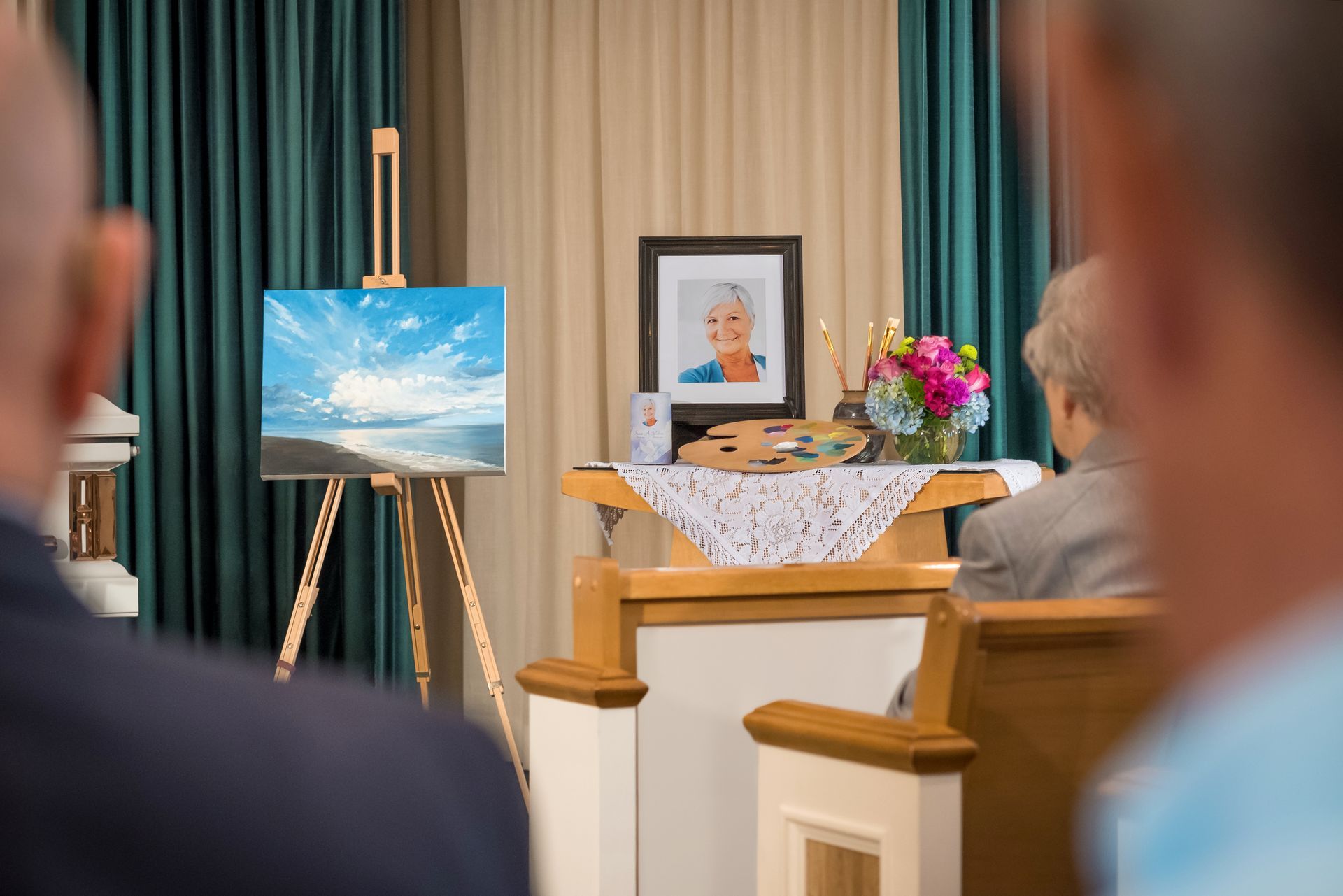
In recent years, the phrase “celebration of life” has become more common when families are planning services for a loved one. While many people have heard the term, there can still be confusion about what it truly means and how it differs from a traditional funeral. At its heart, a celebration of life is not about replacing tradition, but about offering a more flexible, personalized way to honor and remember a life. A celebration of life is a personalized service that focuses on honoring the unique story, personality, and legacy of the individual who has passed. While it can be held in a variety of locations, many families choose to gather in the comfort of a funeral home chapel, where they have both guidance and the ability to customize the experience. These services most often take place after cremation, which allows families more time to plan and create a meaningful tribute. However, every family’s preferences are different, and services can be arranged in whatever way feels most appropriate. No two celebrations of life are exactly the same, because no two lives are the same. One of the most meaningful aspects of a celebration of life is the ability to incorporate personal touches that reflect the life being honored, even within a chapel setting. Families may choose to include themed elements that represent a loved one’s passions, hobbies, or personality. This could be as simple as displaying favorite photos and memorabilia, or as unique as incorporating colors, music, or décor that reflect what they loved most in life. Memory tables, tribute videos, and customized music selections can all be seamlessly incorporated into a chapel service. Some families also invite guests to participate by sharing stories or bringing items that hold special meaning. This blend of personalization within a supportive, structured environment often provides both comfort and creativity during a difficult time. A celebration of life offers families the opportunity to gather in a familiar, supportive setting while creating a service that truly reflects their loved one. By combining the comfort of a chapel with the flexibility of personalization, it becomes a meaningful way to honor a life and share memories with those who matter most. There is no right or wrong way to plan a service. The most important thing is creating a space that feels genuine, supportive, and reflective of the person being remembered.
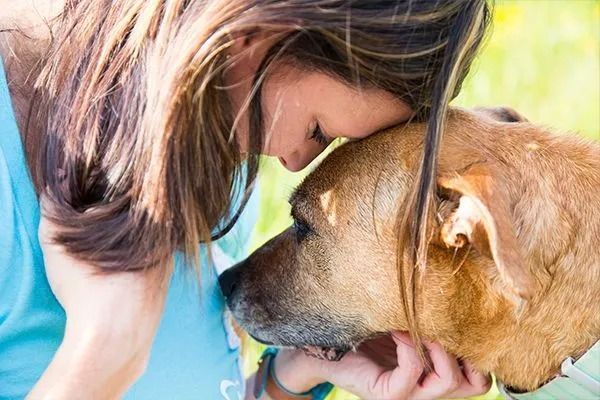
Pets provide us with companionship and emotional support. Many of us can’t imagine a life without our pets as they have helped us through the tough times and provided a source of comfort. With that being said, if you’ve recently experienced a loss, a pet may help to ease you through the emotional rollercoaster that is grief and help you through the pain you may be experiencing. Pets provide us with companionship- Grieving can be lonely and isolating, and having a pet around to be by our side during the sadness that comes with a loss can be extremely therapeutic. Pets make us happier- Studies have shown that pets decrease the production of Cortisol, the hormone that leads to stress, which is likely present in those who are grieving. Being around our pets makes us happier and keeps our mind off the loss we may be experiencing. Pets love us unconditionally- Your pet is there for you when you get home, when you go to sleep and when you wake up. Their whole life is centered around you and your schedule. Our pets love us unconditionally when we need it the most and can be thought of as furry therapists. Pets force us to be active- Considering pets need exercise, this forces us to exercise as well, which produces Serotonin. Serotonin affects our overall mood, sleep, social behavior, etc. and levels of it tend to decrease when people are grieving. Take your pet for a walk in the neighborhood to relieve some stress and improve your mood. Pets help to comfort us- Grief can leave us feeling empty and lost, and pets provide a sense of reassurance and comfort to ease us through that void. More specifically, dogs are known to be extremely intuitive and are able to sense when their owners are feeling down.

Pets have an extraordinary ability to form deep emotional connections with their human companions. When a person or pet passes away, everyone in the household is affected. Just like humans, pets too experience grief and mourning, displaying a range of behaviors that reflect their emotional turmoil. In this blog, we'll delve into the intricate world of pets grieving, exploring the signs of grief, ways to support them through this difficult time, and how understanding their grief can help us provide better care. Signs of Pet Grief Pets have their own unique ways of expressing grief, which can vary based on factors like species, personality, and the depth of the bond they shared with the deceased companion. Some common signs of pet grief include: Changes in Behavior: Pets may exhibit sudden changes in behavior, such as becoming withdrawn, lethargic, or excessively clingy. They might lose interest in activities they once enjoyed. Appetite Changes: Just like humans, grieving pets might experience appetite changes – either eating less or losing interest in food altogether. Vocalization: Some pets become more vocal when they're grieving. Dogs might whine, howl, or bark excessively, while cats may meow more frequently than usual. Searching Behavior: Dogs might search for their departed companion, sometimes waiting in their usual spots or looking around the house for them. Cats might search and call out as well. Aggression or Anxiety: In some cases, pets might exhibit aggressive behavior or heightened anxiety due to the stress of loss. If your pet is expressing any of these characteristics of grief, here are some ways to help support them. Maintain Routine: Pets find comfort in routine, so try to stick to their usual schedule as much as possible. This can help provide a sense of stability during a turbulent time. Provide Comfort and Attention: Spend quality time with your grieving pet. Offer them physical affection, comforting words, and gentle attention to reassure them. Create a Safe Space: Designate a quiet, comfortable space where your pet can retreat to when feeling overwhelmed. Fill it with their familiar belongings. Avoid Punishment: If your pet's grieving behavior includes accidents or minor disruptions, avoid punishment. Gently reinforce positive behaviors instead. Engage in Play: Encourage your pet to engage in light play or activities they enjoy. Gradually reintroducing playtime can help lift their spirits. Recognizing that pets experience grief and empathizing with their emotions can strengthen the bond between humans and their animal companions. Just like humans, pets need time to heal, and with patience, love, and support, they can eventually find their way through the grieving process. By offering a safe and understanding environment, we can help them navigate this challenging time and honor the memories of the companions they've lost.

Our pets become cherished members of our families, providing unconditional love, companionship, and joy to our lives. When they pass away, the grief we feel is genuine and profound. While our furry friends are only here for a short time, the impact they have on our lives is monumental. Here are some ways you can honor your beloved furry friend, after they’ve pass. Create a memory box. Putting together a box of items that remind you of a beloved pet can help you cope with their loss. Include items such as their collar, favorite toy, paw imprint, fur lock, and anything else that meant a lot to them. Keeping these items can bring comfort and closure after they have passed. Spread their ashes somewhere meaningful. If you choose to have your pet cremated, you can spread the ashes somewhere meaningful for your pet. You can even use the ashes to plant a tree in memory of them. Donate to shelters in their memory Animal shelters need donations, whether monetary donations or item donations. Donating to shelters in your beloved pet's name not only preserves your pet's memory, but also helps the animals in the shelter find their forever home. Foster animals Fostering is a great option if you aren't ready to get another pet but want to share the love you had for your pet with those in need. Because shelters fill up quickly, animals need foster homes. Fostering allows you to heal at your own pace, while sharing love with a pet in need. Our pets become part of our family. During their time here on earth we share so many special moments with them, that when they are gone the emptiness left behind is unfathomable. It’s important to take proper care of yourself during this time of grief and figure out ways to keep your pet’s memory alive.